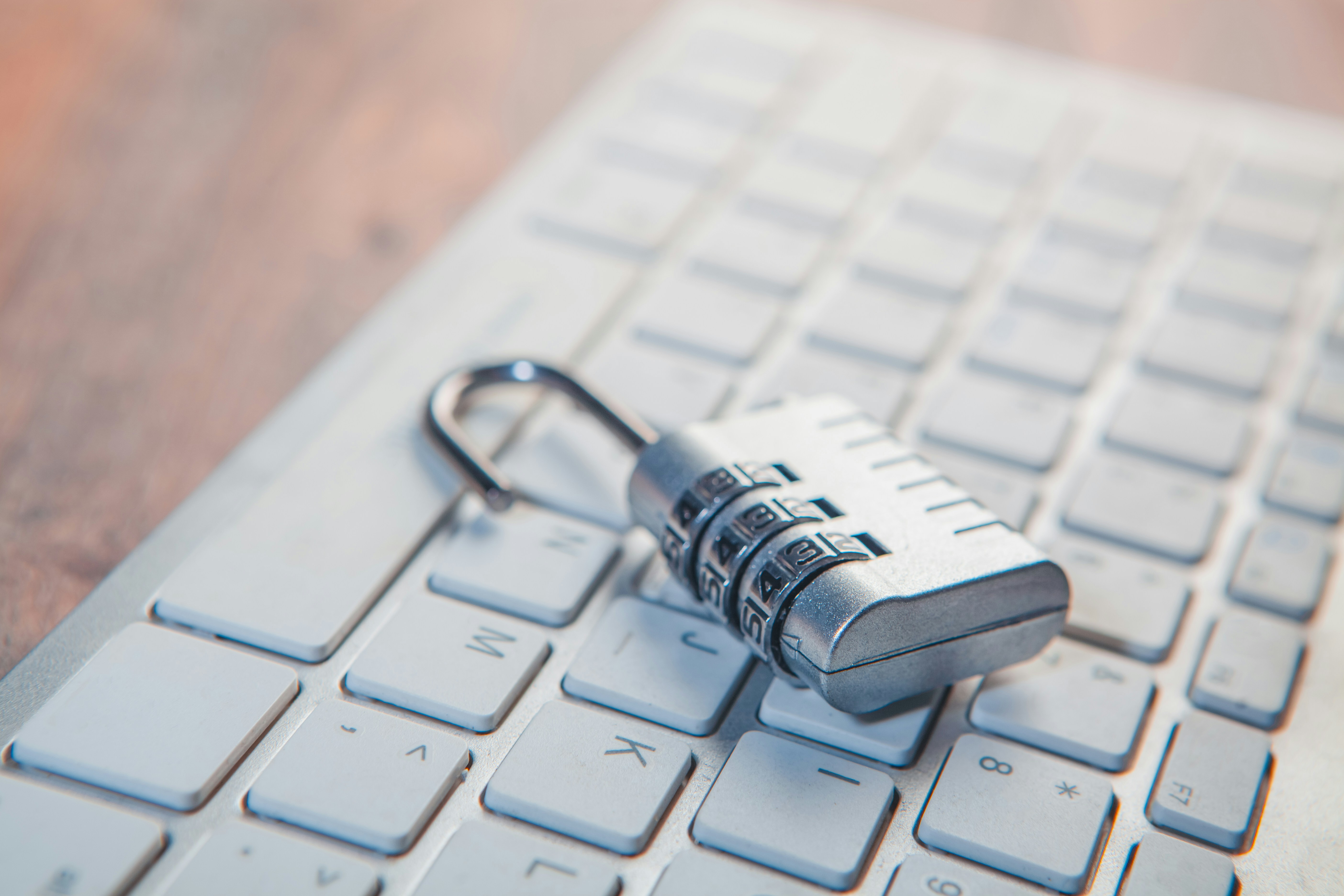
How to Keep Your Personal Information Safe Online
In today's digital world, protecting your personal information online has never been more important. With cyber threats increasing every day, understanding how to safeguard your data is essential for anyone who uses the internet—whether for personal banking, shopping, or business communications. This comprehensive guide will help you implement practical security measures to keep your sensitive information protected.
Use Strong, Unique Passwords
The foundation of online security starts with strong passwords. A weak password is like leaving your front door unlocked—it invites trouble. Create passwords that are at least 12 characters long and include a mix of uppercase letters, lowercase letters, numbers, and special symbols. Avoid using easily guessable information like birthdates, names, or sequential numbers.
Even more importantly, never reuse passwords across multiple accounts. If one website is breached, hackers could access all your accounts. Consider using a reputable password manager like LastPass, 1Password, or Bitwarden to generate and securely store complex passwords for each service you use.
Enable Two-Factor Authentication (2FA)
Two-factor authentication adds an extra layer of security by requiring a second form of verification beyond your password. This typically involves receiving a code on your phone, using a biometric scan, or authenticating through an app. Enable 2FA on all critical accounts, especially your email, banking, and social media profiles. Even if someone obtains your password, they won't be able to access your account without this second verification step.
Keep Your Devices Updated
Software updates often contain security patches that fix vulnerabilities hackers exploit. Whether you're using a computer, smartphone, or tablet, regularly update your operating system and applications. Set your devices to install updates automatically when possible. Don't ignore those update notifications—they're protecting you from known security threats.
Be Cautious with Public WiFi
Public WiFi networks, while convenient, are often unsecured and attractive to cybercriminals. Avoid accessing sensitive accounts like banking or email while connected to public WiFi. If you must use public networks, consider using a Virtual Private Network (VPN). A VPN encrypts your internet traffic, making it significantly harder for hackers to intercept your data.
Recognize Phishing Attempts
Phishing emails and messages are designed to trick you into revealing personal information or clicking malicious links. Look for red flags like unfamiliar sender addresses, urgent language, suspicious links, and requests for sensitive information. Legitimate companies will never ask for passwords or credit card numbers via email. When in doubt, contact the organization directly through their official website rather than clicking links in the message.
Monitor Your Accounts Regularly
Regularly reviewing your bank statements, credit reports, and online accounts helps you catch suspicious activity early. Check your credit report at least annually through a service like AnnualCreditReport.com. Many banks also offer free credit monitoring. The sooner you detect fraud, the quicker you can take action to minimize damage.
Limit What You Share
Think twice before posting personal details on social media or websites. Information like your full date of birth, address, phone number, or travel plans can be used for identity theft or physical theft. Review your privacy settings on social media platforms and adjust them to limit who can see your information. Be especially cautious about sharing location data and avoid posting when you're away from home.
Use Secure Websites for Transactions
Always look for the padlock icon and "https://" in the address bar before entering sensitive information on websites. The "s" stands for "secure" and indicates that the website encrypts your data. Never conduct financial transactions on websites that don't have this security indicator.
Protecting your personal information online requires constant vigilance and proactive habits. By implementing these strategies, you'll significantly reduce your risk of becoming a victim of cybercrime. Remember, online security is an ongoing process, not a one-time fix.
If you're running a business and need a secure website to protect your customers' information, Gotta Web Design LLC in Beaverton, Oregon can help you build a safe, professional online presence. Our team specializes in creating secure, modern websites with built-in security features. Contact us today to discuss how we can protect both your business and your customers' data while helping you grow your online presence.